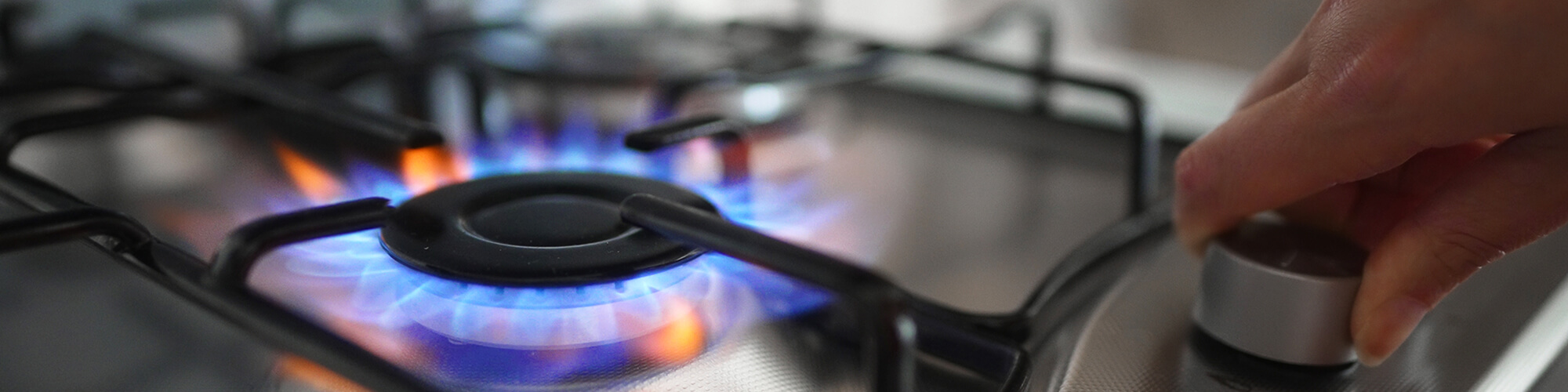
Natural gas is odorless, so we add mercaptan, giving it a distinct rotten egg or sulfur smell for safety. Trust your nose!
Signs of a Leak:
Smell: Rotten egg/sulfur odor.
Sight: Dead plants near pipelines, bubbling water, blowing dirt, flames.
Sound: Hissing, whistling, or roaring near gas lines or appliances.
How To React If You Suspect a Natural Gas Leak: DOs and DON'Ts
How To Use Natural Gas Appliances Safely
Professional Installation & Maintenance: ONLY qualified professionals (licensed plumbers, certified HVAC techs, or techs familiar with NFPA54 and ANSI Z223.1 fuel gas safety codes) should install, service, or repair gas appliances and piping. Never DIY. Schedule annual professional maintenance for heating systems and water heaters, and follow the manufacturer's instructions.
Proper Ventilation & Air Supply: Appliances need air for combustion and outdoor venting. Keep vents clear (check for snow, nests, and debris) and inspect annually. Ensure adequate fresh air supply, especially in confined spaces. Keep areas around appliances clear.
Appliance Tips: Change furnace filters regularly (usually every 90 days, but check your owner's manual); keep ranges clean; vent dryers properly with metal ducts & clean lint traps; follow fireplace instructions.
Additional Natural Gas Safety Tips
Carbon Monoxide: The Invisible Threat
Carbon Monoxide (CO) is a poisonous, odorless, colorless, tasteless gas from incomplete fuel burning.
CO Alarms are ESSENTIAL: Install on every level, especially near sleeping areas and gas appliances (furnaces, stoves, etc.). Choose UL-certified alarms.
Maintain Alarms: Test monthly. Be sure to replace your detector’s batteries every six months—use the spring and fall time changes as your reminder that it is also time to change the batteries. Replace units per the manufacturer's instructions (often every 5-10 years).
Schedule a yearly inspection of your gas heating system to reduce the risk of carbon monoxide issues.
Recognize CO Poisoning Symptoms: At low levels, CO exposure produces flu-like symptoms such as headaches, fatigue, nausea, dizziness, and confusion or irritability; at high levels, it causes vomiting, drowsiness, and loss of consciousness, or even death.
If Alarm Sounds or CO is Suspected:
Get to fresh air immediately! This includes pets.
Call 911, then the Hope Gas 24/7 Emergency Hotline at 1-800-934-3187.
Stay out until responders say it’s safe.
Seek medical attention if symptoms present.
Additional CO Safety Tips:
Never use gas ovens or stovetops to heat your home.
Don’t run a generator, grill, or vehicle in a garage or enclosed space—even with the door open.